Custom Store Design
Layouts aligned with your brand, product mix, customer journey and sales goals.


Geografixx designs and develops WooCommerce and Shopify stores with responsive shopping experiences, organized product catalogs, payment integrations, SEO-ready architecture and conversion-focused paths from product discovery to checkout.

eCommerce web design is the design and development of an online store where customers can find products or services, compare options, add items to a cart and complete a purchase. The experience includes product organization, mobile usability, payments, shipping, checkout, security, search visibility and analytics.
Geografixx combines design, WordPress/WooCommerce, Shopify and SEO experience so the store is built around both customer experience and the way search systems understand products and categories.
These are the seven eCommerce portfolio images already published on the live Davie page, preserved in the rebuild with clearer image descriptions and a cleaner gallery.
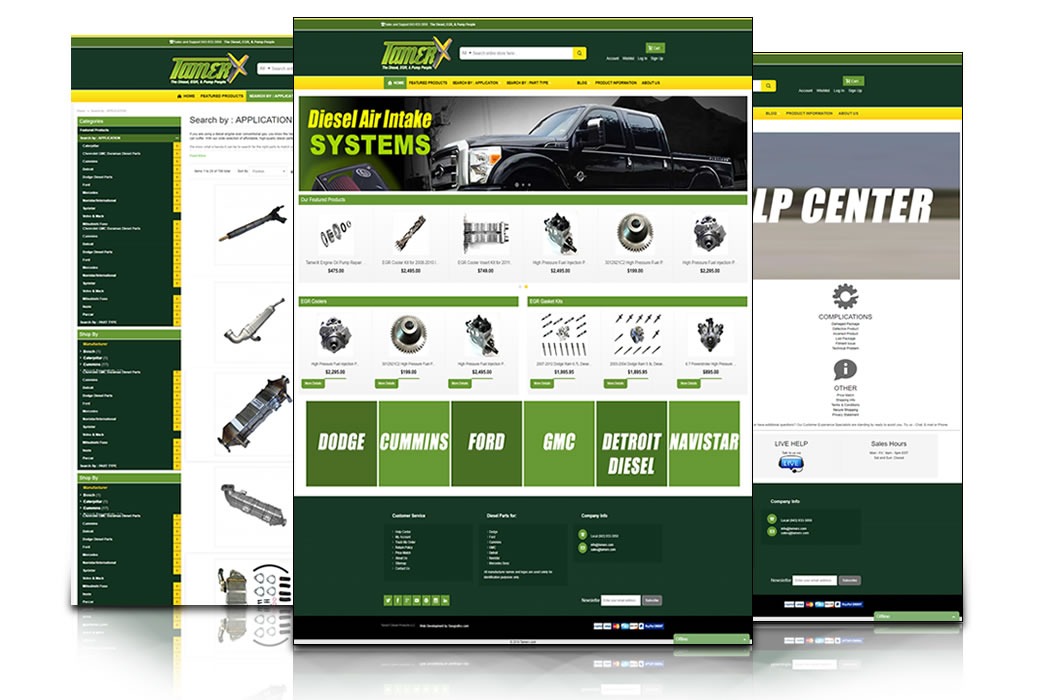
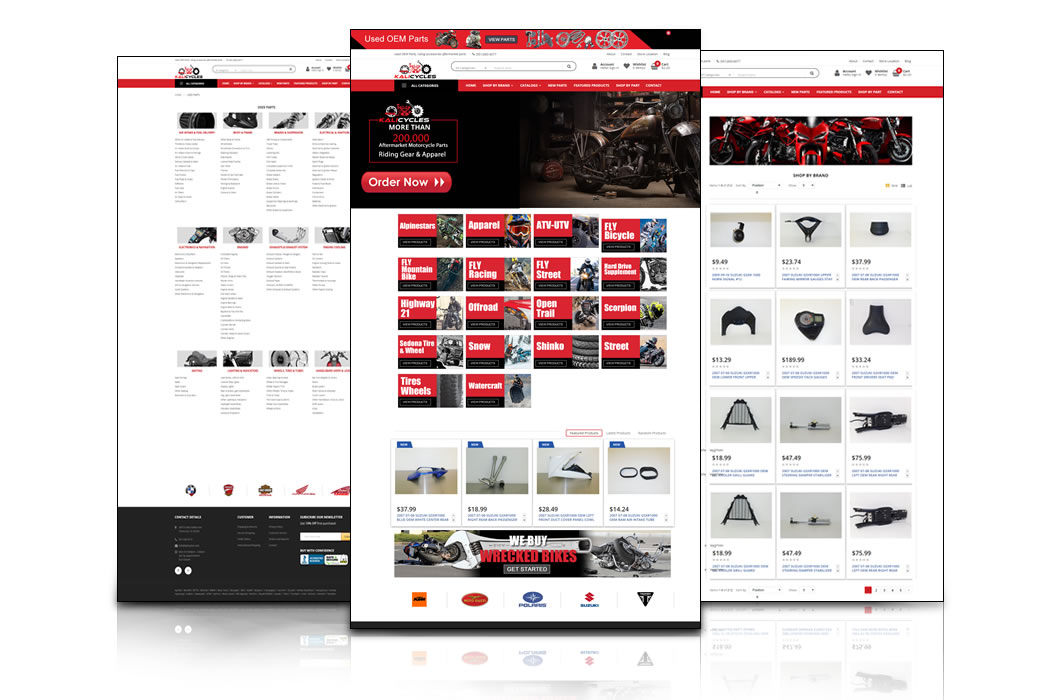
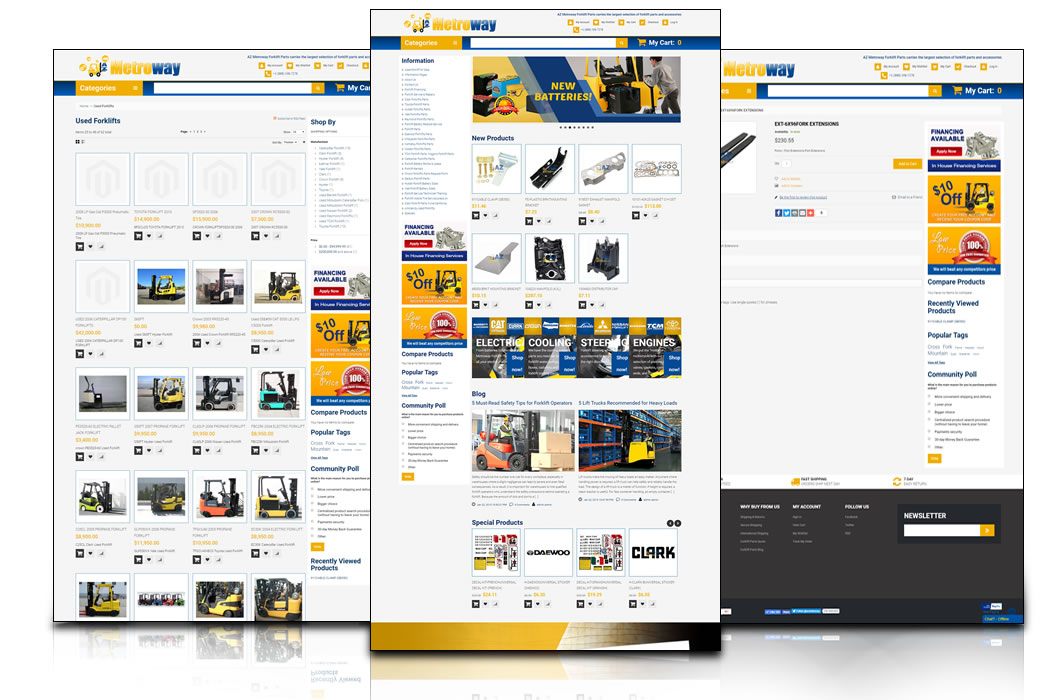
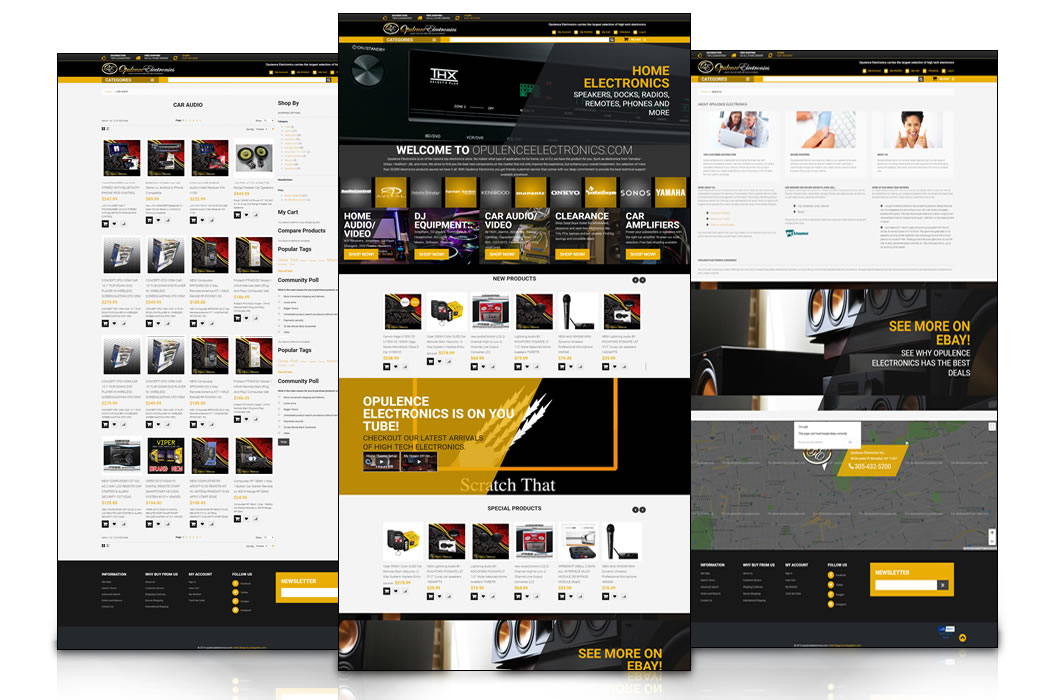
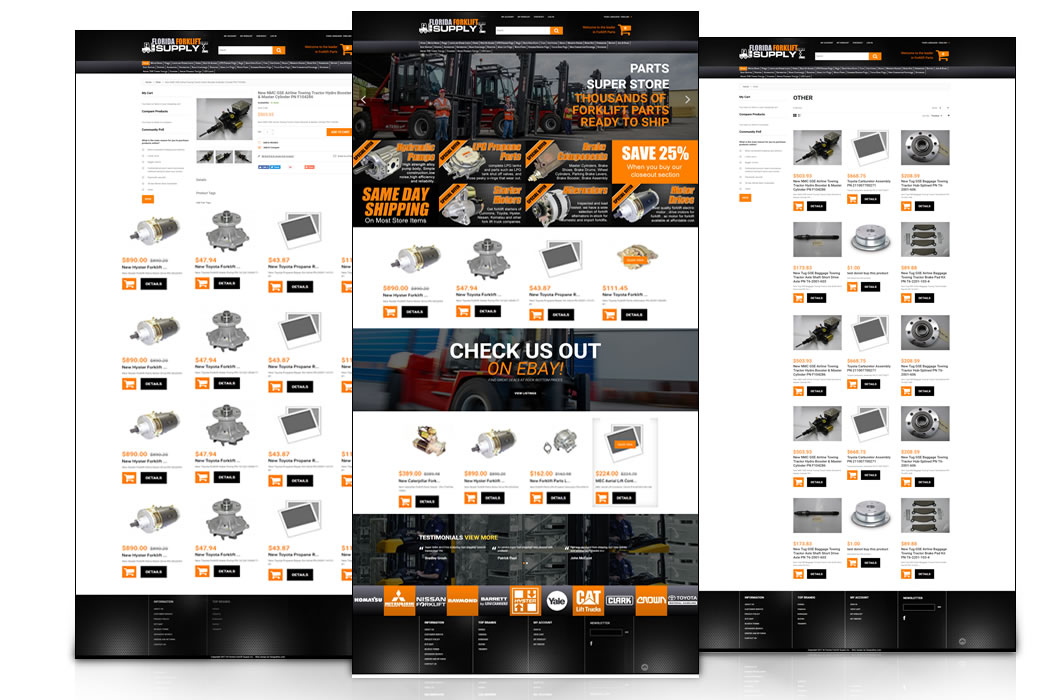
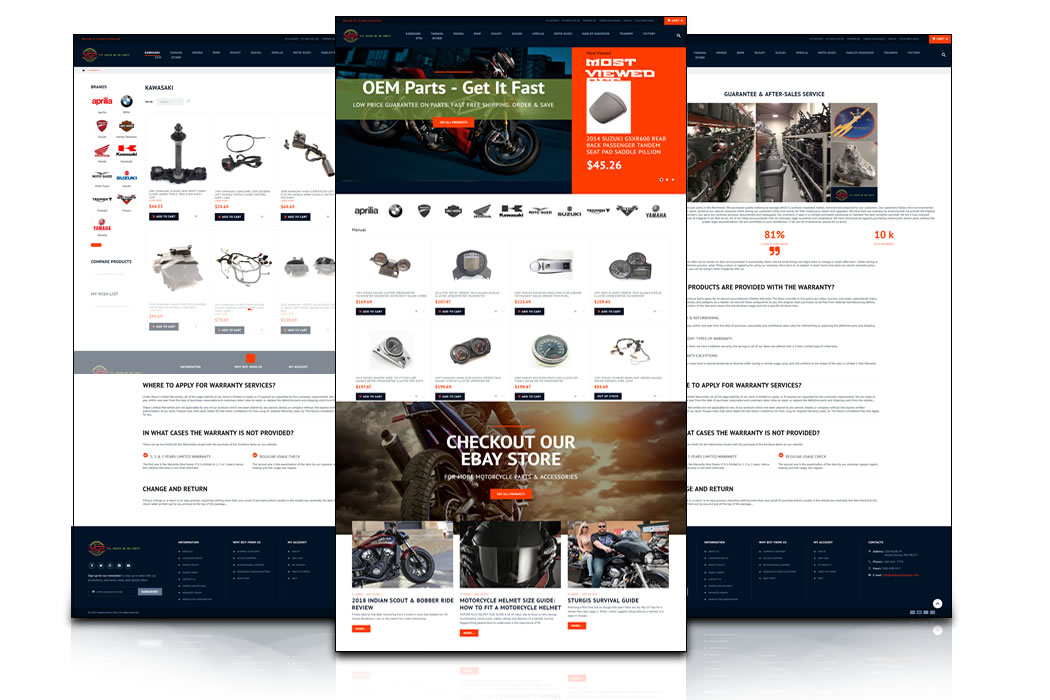
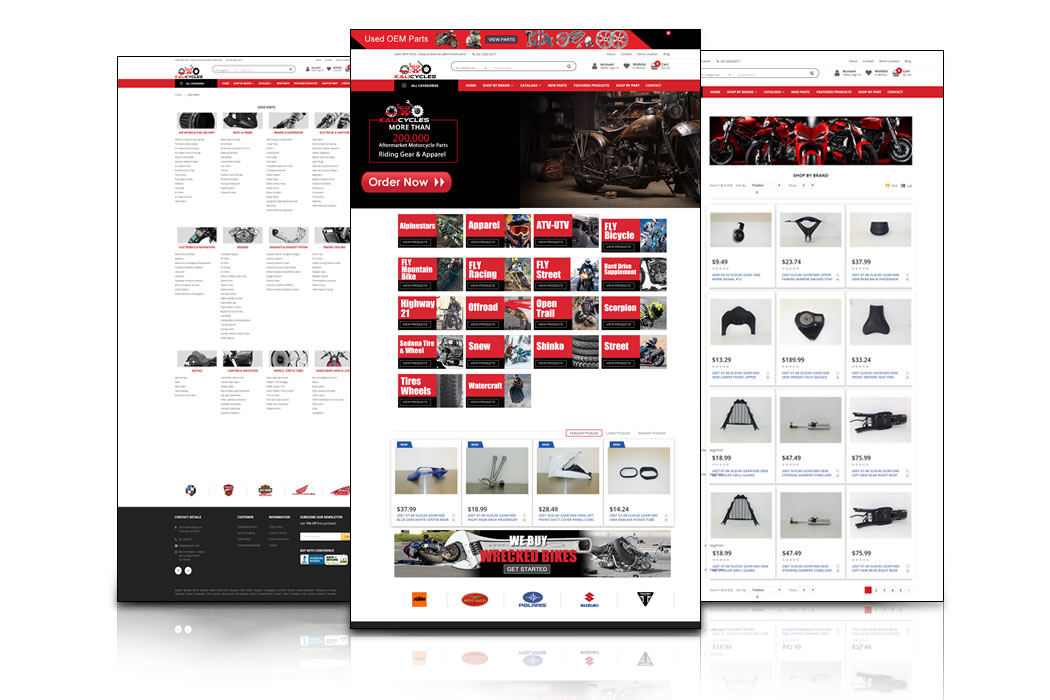
A store needs more than attractive product cards. It needs usable categories, product information, payments, mobile performance and business integrations that support everyday operations.
Layouts aligned with your brand, product mix, customer journey and sales goals.
Logical product organization, filters, variations and category paths that help customers find what they need.
Platform-supported checkout and payment methods configured around your merchant and business requirements.
Shipping rules, inventory workflows and third-party integrations based on the systems your business uses.
Responsive product discovery, carts and checkout flows designed for customers shopping on phones and tablets.
Search-ready products, categories, internal links, image optimization, metadata and structured-data fundamentals.
The right platform depends on how much control, flexibility, hosting simplicity and integration depth the store requires.
WooCommerce is built on WordPress and works well for businesses that value customization, content flexibility and an extensible plugin ecosystem.

Shopify is a hosted eCommerce platform suited to businesses that want a streamlined store management environment with hosting and core commerce infrastructure included.
The existing page emphasizes that eCommerce work can include custom functionality, ERP integrations, data connections and brand-specific requirements. The rebuild keeps that point but makes the scope easier to scan.

Products, catalog size, customer types, fulfillment, payments, systems, platform and business goals.
Categories, filters, navigation, product templates, cart paths and content hierarchy.
Brand-aligned storefront layouts, mobile behavior, merchandising areas and calls to action.
Platform build, product setup, checkout, integrations, shipping and technical configuration.
Mobile QA, payments, cart flow, shipping, analytics, indexing and launch readiness.

The goal is to make each step understandable: find the right category, evaluate the product, choose options, understand shipping and complete checkout.
Searchability depends on clear product information, crawlable categories, consistent business facts and structured content. AI systems benefit from the same clarity.
Descriptive product names, useful descriptions, specifications, availability and relevant attributes.
Crawlable category pages that explain the product group and connect logically to related products.
Appropriate business, service and product-related structured data where the visible page supports it.
Navigation and contextual links that show relationships between categories, products, guides and services.
Useful filenames, alt text, captions where appropriate and images that support product understanding.
Consistent store name, contact information, service area, brand details and platform/service definitions.
Geografixx combines web design, development, eCommerce, SEO and digital marketing support. That helps keep the storefront, search strategy and customer journey aligned instead of splitting the core project across unrelated vendors.

This replaces the generic $20,000–$200,000 cost range currently published on the page with the site's own advertised starting price. Larger catalogs, custom development, integrations and advanced functionality are quoted according to project scope.
Davie is the primary local market for this service page, with eCommerce design and development available to businesses throughout nearby Broward County and South Florida.
These buyer-focused questions replace the long generic tutorial material with concise answers that are more useful to prospective customers and easier for search systems to interpret.
Get an eCommerce QuoteeCommerce web design is the design and development of an online store that allows customers to discover products or services, review information, add items to a cart and complete a purchase. It combines visual design, product organization, mobile usability, checkout flow, payments, shipping, security, SEO and analytics.
Yes. Geografixx builds WooCommerce stores on WordPress for businesses that want flexible product management, custom functionality, content control and the ability to extend the store with plugins and integrations.
Yes. Geografixx can design and configure Shopify stores for businesses that prefer a hosted eCommerce platform with built-in store management, hosting and a large app ecosystem.
Geografixx currently advertises an eCommerce website package starting at $1,599. Final pricing depends on catalog size, product variations, custom functionality, integrations, content, payment requirements, shipping logic and the amount of design and development work required.
Yes. An eCommerce redesign can improve navigation, product discovery, mobile usability, visual presentation, category structure, product pages, checkout paths, SEO fundamentals and conversion-focused calls to action while preserving useful store data and content.
Yes. Payment integration depends on the eCommerce platform, merchant account and business requirements. Common solutions can include card processing, PayPal and other platform-supported payment methods.
Yes. Depending on the platform and available APIs or extensions, eCommerce websites can integrate with shipping services, inventory systems, CRM tools, ERP platforms, email marketing, analytics and other business applications.
Yes. A modern eCommerce website should adapt to phones, tablets and desktop screens so customers can browse products, use filters, add to cart and complete checkout without unnecessary friction.
Yes. Search-ready eCommerce architecture can include crawlable product and category pages, descriptive headings, metadata planning, internal links, image optimization, structured data, canonical handling and content that explains products and categories clearly.
AI-search visibility benefits from clear product and category information, consistent business facts, structured data, descriptive content, useful FAQs, strong internal linking and crawlable pages. No optimization guarantees an AI citation, but these fundamentals make the store easier for search and AI systems to interpret.
Timing depends on the number of products, product data readiness, design complexity, payment and shipping requirements, integrations, content, revisions and testing. A small store can move faster than a large catalog or custom integration project.
Use the quote form or call 888-830-4939. Be ready to share what you sell, the number of products, preferred platform, payment and shipping needs, integrations, current website if applicable and your target launch date.
Tell us what you sell, the size of your catalog, your current platform, payment and shipping needs, integrations and the experience you want customers to have.
 Responsive Web Design
 Graphic Design
 Search Engine Optimization
 Social Media Marketing
 Web Design